My journey at Sadie Nash played a foundational role in shaping the work I do today. I currently work as trauma-informed senior youth counselor at Sakhi for South Asian Survivors, an organization supporting young survivors of gender-based violence; but when I joined the ELLA fellowship in 2019, I was looking for ways to bridge the severe gaps I witnessed in my community. Generations of stigma shaped the ways conversations regarding mental health support were approached amongst my South Asian peers, making it very difficult to seek help. I created an online platform that centers mental health awareness for young South Asian women and gender-expansive folks. The website held short stories, photographs, artwork, and more that touched on mental health in our communities. I named it Shomorthon, which means “support” in Bangla.
Through Shomorthon, I held workshops that were aimed to bring awareness and facilitate de-stigmatization of mental health. ELLA showed me how community building and community care can be a transformative experience. I wanted to replicate this feeling in Shomorthon’s workshops. In ELLA I experienced firsthand what it means to be surrounded by people who care about creating a safe space for young people to experiment, iterate, and be creative. I wanted to create the same feeling for my community. Facilitating these workshops was a first for me. I was learning to navigate stigma while creating space for young people to engage with their mental health.
What does it mean to make someone feel heard? What does it mean to make a space safe? Trust is rarely built in a single conversation, and stigma is not eradicated in one day. But by knowing and experiencing what was possible with my ELLA cohort, I was able to conjure new possibilities and pass on the gift given to me by creating spaces for other young South Asian people looking to heal. Shomorthon taught me the importance of validating experiences, listening to community members, and creating environments where people feel safe and supported to share their own stories. It left an impression on me, shaping my everyday work with survivors of gender-based violence.
By the time my nine months as an ELLA Fellow came to an end, I wasn't quite ready to leave Sadie Nash behind. I had found a community I wanted to remain part of, and I kept looking for ways to return. In the summer of 2021, I came back as a Site Leader for Summer Institute, a six-week leadership program for young women and gender-expansive youth of color. The pandemic had pushed most of our programming onto screens, an unlikely setting for the kind of closeness I had come to associate with Sadie Nash. Yet, even through the distance, a sense of community took shape. I found myself increasingly drawn to the work of creating spaces where young people could learn from one another, ask difficult questions, and begin to recognize their own power.
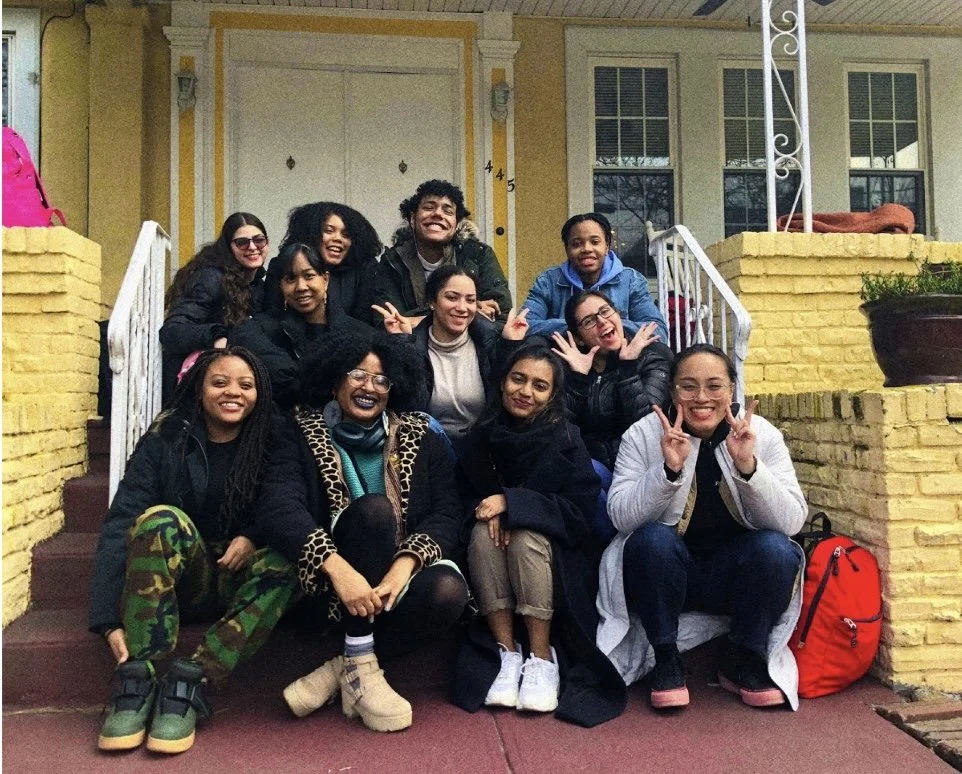
Ishrat (First Row, Second from the Right) with her ELLA Cohort in 2019
I sometimes think about the different seats I've occupied at Sadie Nash. I arrived as a Fellow, full of questions and searching for a place where I could ask them freely. A few years later, I was the person helping to make that kind of space possible for someone else. There was something quietly profound about that shift. I had gone from being held by a community to taking some responsibility for holding it together. And somewhere in that transition, I began to understand the kind of work I wanted to do.
There is a certain symmetry to where I've ended up. My ELLA project, Shomorthon, began as a desire and passion to create space for young South Asians to engage in creative ways to destigmatize mental health and grew into a career that is centered on supporting youth survivors through healing and empowerment. Years later, I find myself navigating many of those same questions about stigma, silence, and what it takes for someone to feel safe enough to seek support. What began as a project has become the work of my life.
I think often about the young person I was when I first arrived at Sadie Nash, and how much it mattered to be in a room where I could be curious, uncertain, and entirely myself. At the time, I couldn't have known how much that feeling would shape my understanding of care. Now, as a youth worker and therapist, I try to create that same possibility for the young people I work with: a space where they can speak freely, make choices for themselves, and begin to imagine a future on their own terms.
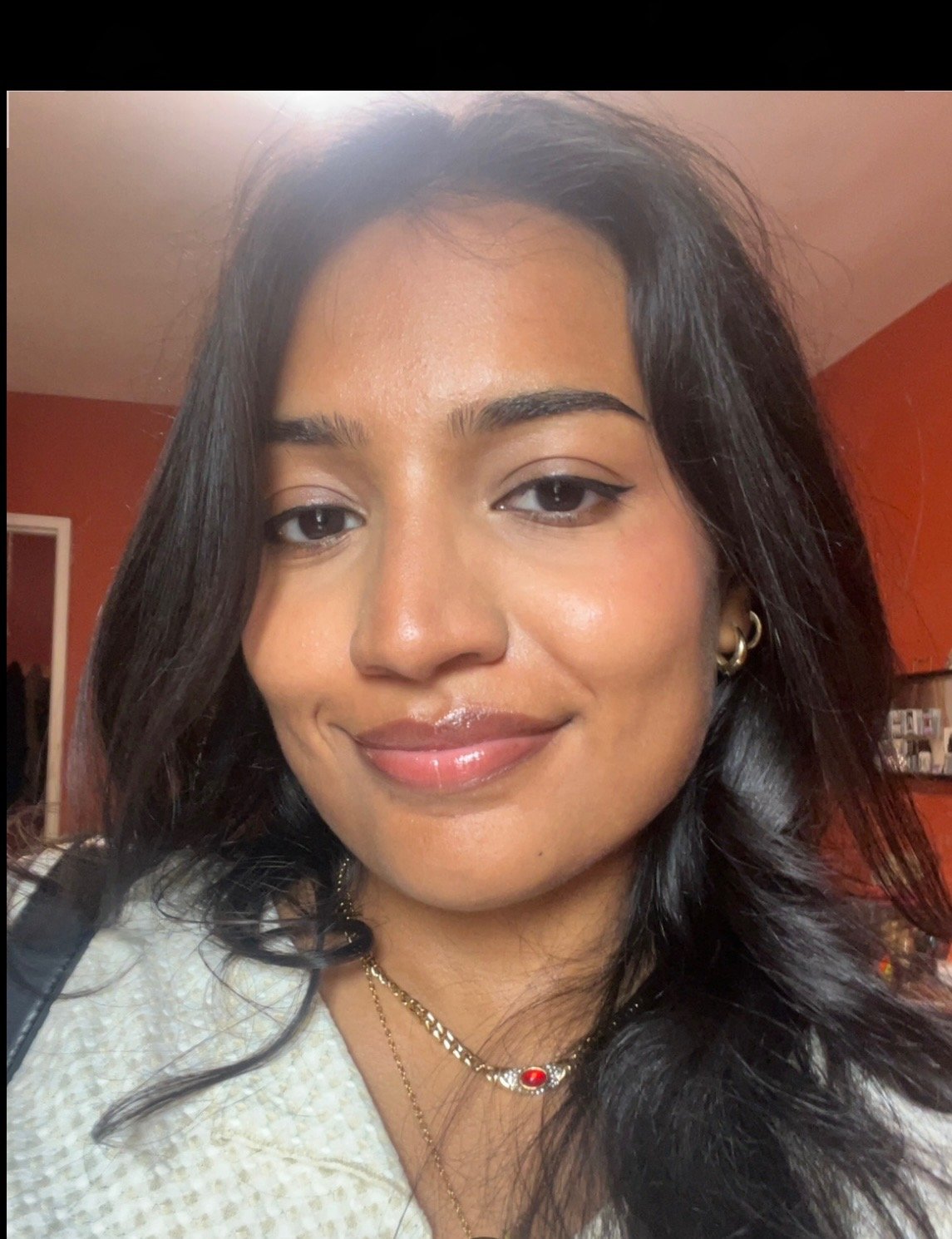
Ishrat Sultana, LMSW, is a social worker, youth counselor, and Sadie Nash alum passionate about youth work, community care, and creating spaces where young people feel supported and empowered. She holds a Master’s degree in Social Work from Columbia University and has worked across youth development, community programming, and social services. Ishrat currently supports young survivors of gender-based violence and continues to center healing, connection, and youth empowerment in her work. Her approach is rooted in the belief that meaningful change happens through community and that young people deserve spaces where they can learn, grow, and show up as themselves