
THE OPPOSITE OF SILENCE: Using the Combahee River Collective to Teach Nashers to Imagine Alternate Futures
What is the opposite of silence?
Speaking, language, expression, and even chaos might come to mind.
In my Summer Institute elective,Your Silence Will Not Protect You: Black Feminist Poetry, Politics, and Activism, I taught 15 Nashers that the opposite of silence is not standing in front of a podium with a voice that could project to the back of a lecture hall or a stadium; the opposite of silence is radical imagination, action, and visibility.
Black feminist activism is built on the living legacies of Black feminist elders. Over six weeks, Nashers learned about Black and women of color feminist radicals who used their voices to advance Black, brown, queer, and trans liberation. We read texts together and then wrote poems in response. It was crucial for me that the Nashers recognize the power that their identities as young women and gender-expansive youth carry while uncovering their history in a lineage of other Black and women of color feminists who organized as they tangibly worked towards building a better world.
One of the most compelling lessons was when we read the Combahee River Collective’s transformative manifesto. Founded in Boston, Massachusetts, in 1974, the collective was composed of Black and women of color activists and organizers who experienced exclusion and invisibility in white women’s feminist movements and Black nationalist spaces. These women organized against the violence affecting Black women, advocated for economic justice, and invested time through consciousness-raising to understand their personal identities as political ones. After the Nashers read sections of the manifesto in small groups, we came back as a unit to reflect. They were shocked to see how confidently the women spoke, but what was especially heartwarming for these Nashers was that the women of the collective were not celebrities or the most well-known activists. They are ordinary women with an unwavering belief that they had a right to advocate for themselves and their communities; this reaffirmed that leadership is beyond a podium and a microphone.
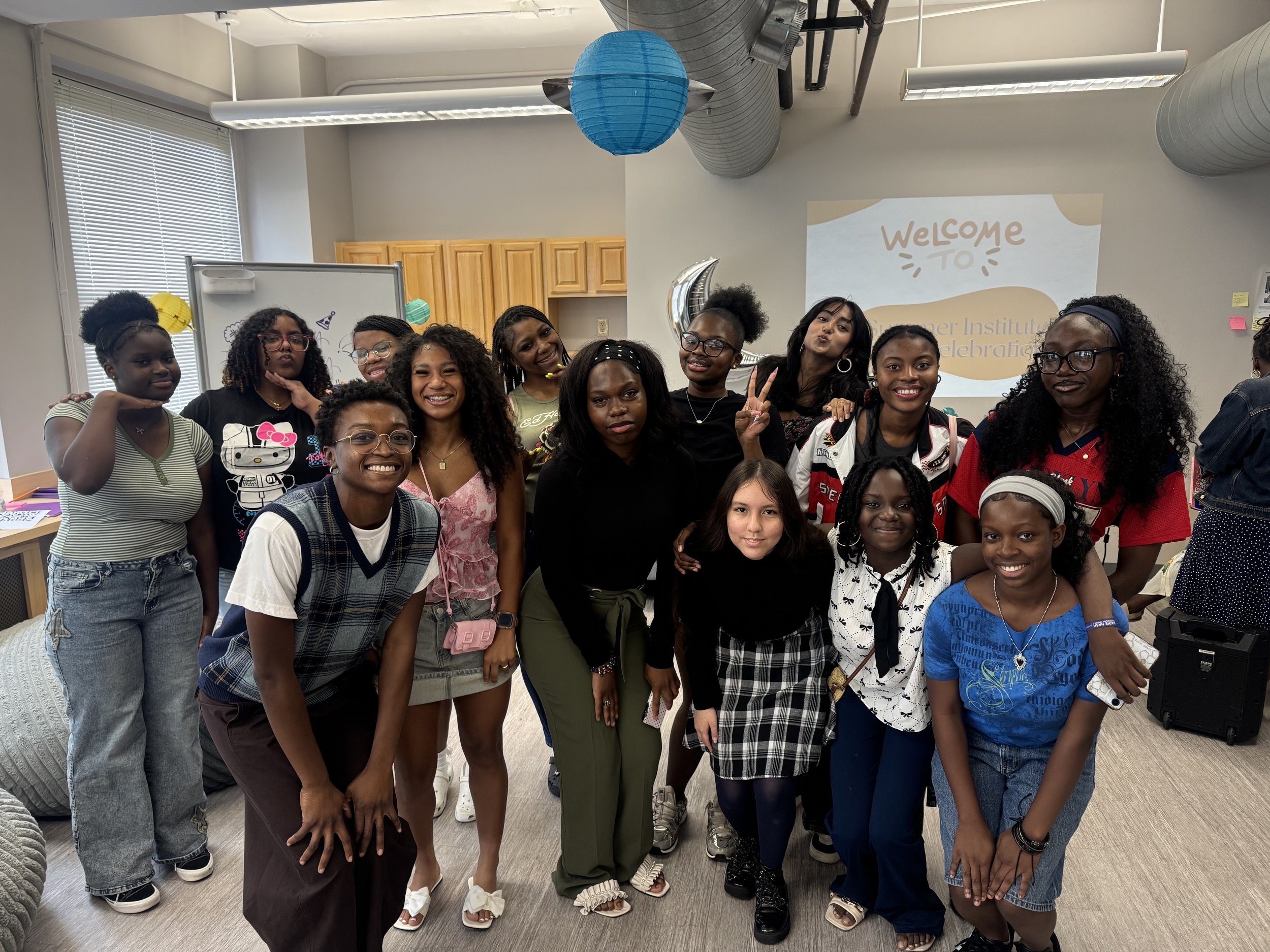
Your Silence Will Not Protect You: Black Feminist Poetry, Politics, and Activism class posing for a group photo at final celebration
When I was developing this lesson, my goal was not just to get Nashers to learn about Black feminist organizing in the United States and abroad, but I wanted to go one step further. I wanted them to leave the lesson thinking through how this manifesto and collective is a model of what it looks like to use your imagination, racial, gender, or sexual based oppression and exclusion to create a new world – a world they would want to live in. I wanted them to also see building as the opposite of silence. After learning about this foundational Black feminist organization, Nashers were tasked with creating their own manifestos and collectives.
To guide their own world-building, I asked them the following questions to reflect on:
What would it look like to center your experiences in how you imagine the future?
What would it look like to create an organization targeting a specific community or group need?
How might you define your organization’s purpose?
Too often, young women and gender-expansive youth are made to feel that their experiences are not worthy of care and attention. But through this activity, the Nashers shared narratives of in-school discrimination, harsher dress codes for girls, policing of hairstyles and bodies, greater levels of in-school security, and persistent disregard of the sexual harassment and misconduct from their male peers. Through conversation, they began to discover disparate treatment across zip codes, and they built solidarity amongst themselves. These questions and conversations taught Nashers that they could use self-determination and autonomy to work towards the actualization of their social justice goals.
Each group came up with a collective name, a defined problem, a mission statement, and tangible actions to share back. They also designed their collectives on large poster paper. One group, “Tiers of Treatment,” tackled the different levels of treatment across schools and its impact on student self-esteem. Another group, “Black Women’s Community Collective,” addressed healthcare discrimination and injustice by creating accessible resource centers and restoring dignity and care for Black women accessing health care. The final group, “Break the Silence,” challenged the tendency of women experiencing domestic violence to stay quiet.
The three groups built on what they learned throughout the program, centered diverse ways to use their voices, prioritized imagination, and inspired confidence in their social justice goals. You can see all of the projects in depth here on the Nasher Liberation Library.
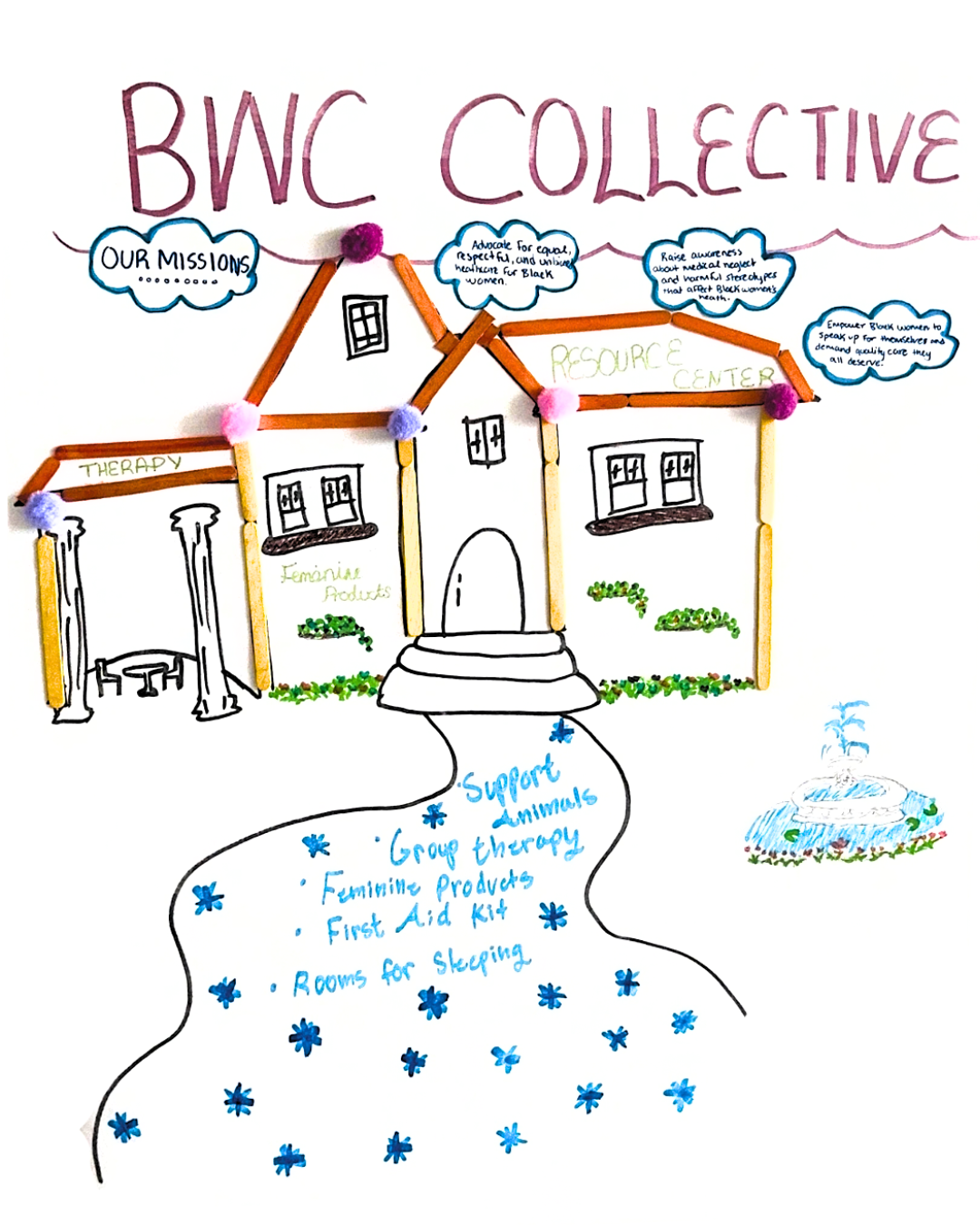
Sneak preview of the project “Black Women’s Community Collective”
One Nasher described how seeing Black women speaking and advocating for themselves was healing. Another described how learning specifically about Black women’s activism transformed their belief about leadership; she went from not seeing herself as a leader to confidently asserting that she is.
Ultimately, the women of the Combahee River Collective and their manifesto offered Nashers a real-life example of what it looks like to build community in the face of exclusion and discrimination. As a student, this document and the Combahee River Collective were formative for my journey, and it became clear that it was indispensable to how I must teach Black Feminist Politics and Activism. Our survival and ability to thrive depend on the resources we have access to and our commitment to using our imagination to keep hope alive. Whether or not you’re familiar with the Combahee River Collective, I encourage you to read it. See where you fit in, and imagine how you might create community and hope as Nashers did. Find your bridge. Transform your silences into visibility and action, and discover who you could become.
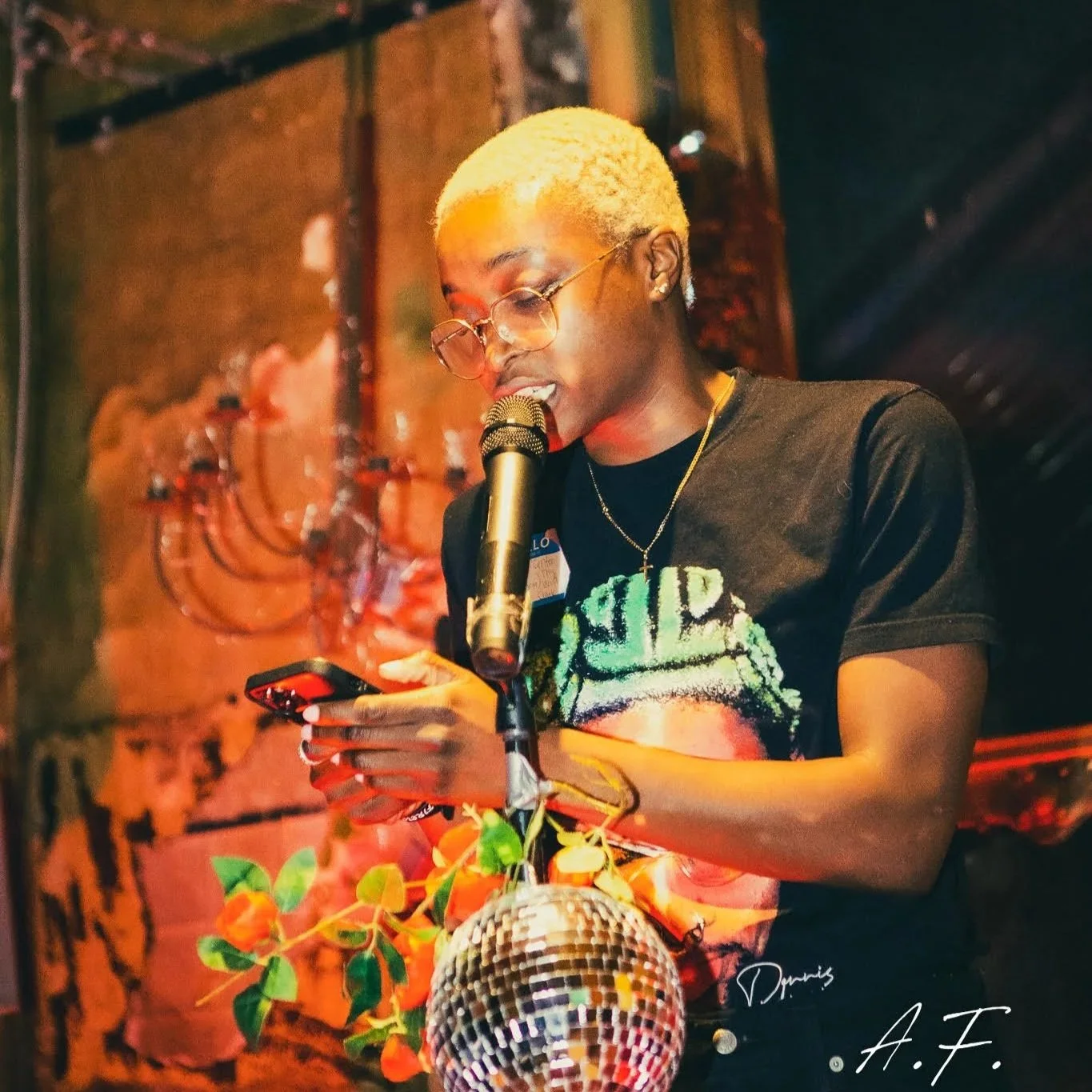
Titilayo or Titi (they/them) is a Black lesbian feminist writer, poet, and freedom dreamer committed to using their passion for freedom and justice to activate Black, Brown, and marginalized youth in their inner communities and beyond. She earned her Master of Arts in Africana Studies from the University of Delaware while working as an afterschool educator and teaching artist. Using her scholarly interests in Black feminisms, Afrofuturism, and worldmaking, Titi seeks to transform her personal projects into political activation and power to imagine freer and more liberatory futures.